

Insurance for Flooring Installers

Public Liability and Tool cover
Pay by the month and policy documents emailed instantly
Easy and professional claims support
Competitive pricing with our Price Promise

Independent feedback based on verified reviews

Compare Quotes
From multiple insurers

Save Time
Buy online in minutes

Save Money
Switch and save

Instant Cover
Delivered to your inbox

Compare Quotes
From multiple insurers
Save Time
Buy online in minutes
Save Money
Switch and save
Instant Cover
Delivered to your inbox
Get quotes from our trusted insurance partners:













On this page:
What does flooring insurance cover?
Flooring installer insurance covers the cost of everyday risks that could devastate your business financially, such as:
- Client injuries (ex: a client trips over your equipment during an installation)
- Accidental property damage
- Stolen tools and equipment
- Unplanned interruptions
Anything can happen when you’re installing flooring in clients’ homes and businesses. Insurance for flooring contractors helps you protect yourself, your business, and your clients when things don’t go to plan.

Why do flooring installation contractors need insurance?
Flooring installers may need business insurance to meet contract obligations or cover unexpected legal costs.

Enter a job site.
Work as a contractor or subcontractor.
Replace damaged or stolen tools, equipment, stock, and supplies.
Cover lost wages if an injury leaves you unable to work.
Cover ongoing expenses during unplanned business shutdowns.
Who needs flooring business insurance?
BizCover offers tailored insurance options for a variety of flooring installation businesses, including:

Timber Flooring Installation
Carpet Laying
Slate Flooring Installation
Timber Floor Sanding and Polishing
Stair Installation
Flooring Distribution
Tilers
Let’s cover your small business on the go
Start a quote to see how much you can save and buy online in minutes.
What types of insurance do flooring businesses need?
We offer a range of policies designed to cover your business, tools, and stock. Build an insurance package that suits your needs and buy in minutes.

Popular cover types for flooring contractors:




Popular cover types for flooring contractors:






How much does flooring installers’ insurance cost?
Business insurance for flooring businesses costs $86 per month*.

Factors influencing cost

Risks of the industry
Cover level amount
Annual turnover
Number of employees
Claims history
*BizCover’s Customer Average Monthly Payment Report is based on 1 July 2024 to 30 June 2025 and presented as a guide only. It may not reflect pricing for your particular business, as individual factors will apply.
Get cover that works with the risks of your business
Select different cover amounts for each policy listed below.
This is the most you will be paid out if you need to make a claim.
Unsure how much to choose? Think about:

Statutory Profession Requirements
Cover required by contracts
Number of employees being covered
Your contract value
Worst case scenario claim size
Underinsurance
We know it’s tempting to select a lower level of cover to reduce premiums, but this can leave businesses shocked and insufficiently covered when making a claim.
Ways underinsurance catches business owners out:
Inflation
With inflation, the cost of living and doing business increases. Remember to over yourself, your tools and assets for the rising costs of replacing or covering them, not what you paid for them – you may be surprised at the difference.
Not covering the full cost of your risks
If you select cover levels for less than the value you may be found liable – left out of pocket when it comes to claims time. It’s important to review your risks and determine how much you will need to cover any claim that may come your way.
Factors influencing cost
Risk of the industry
Cover level amount
Annual turnover
Number of employees
Claims history
*Customer Average Monthly Payment Report is based on 1 July 2023 to 30 June 2024 and presented as a guide only. It may not reflect pricing for your particular business, as individual criteria will apply.
Get cover that works with the risks of your business
Select different cover amounts for each policy listed below. This is the most you will be paid out if you need to make a claim.
Unsure how much to choose? Think about:
Statutory professional requirements
Cover required by contracts
Number of employees being covered
Your contract value
Worst case scenario claim size
Underinsurance
We know it’s tempting to select a lower level of cover to reduce premiums, but this can leave businesses shocked and insufficiently covered when making a claim.
Ways underinsurance catches business owners out:
Inflation
With inflation, the cost of living and doing business increases. Remember to over yourself, your tools and assets for the rising costs of replacing or covering them, not what you paid for them – you may be surprised at the difference.
Not covering the full cost of your risks
If you select cover levels for less than the value you may be found liable – left out of pocket when it comes to claims time. It’s important to review your risks and determine how much you will need to cover any claim that may come your way.
How It Works – Buying Online
5 easy steps to get instant cover online today

Select Profession

Pick Your Covers

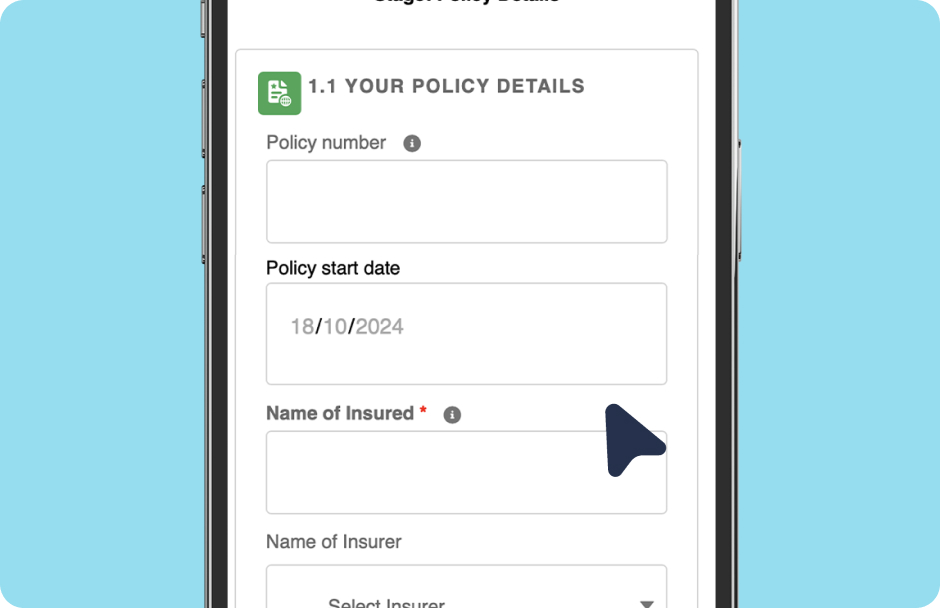
Add Business Details

Compare Quotes

Get Covered Online
5 Steps to get your biz insured:

- Enter Occupation
Search & select your occupation


- Choose Cover(s)
Select the cover you need

- Business Details
Tell us about your business

- Compare Quotes
Compare prices & select quotes
- Get Cover Today
Instant policy docs to your inbox.
How To Make a Claim Online
We’ll assist you through the claims process & manage the claim directly with the insurer.
Let us know Fill out our
claims form and provide info
to support the claim
Receive extra support We
will assist you with your claim
Claim results We will notify
you of the claim outcome.
3 steps to get your biz insured:
- Let us know
Fill out our claims form and provide info to support the claim.
- Receive Extra Support
We’ll assist you with your claim.
- Claims Results
We’ll notify you of the claim outcome.

Award-Winning Tech & People
We’re not ones to blow our own trumpet, but we are pretty proud of our innovative insurance platform, outstanding team, and stellar workplace.
Claim example
Whilst installing timber flooring in a customer’s property, jack hammering caused small pieces of timber to hit a glass window. The glass was chipped, and the customer held the installer responsible for the damage.
The flooring installer made a claim on their Public Liability insurance policy. The insurer reviewed the situation and accepted the claim. They paid $9,261.60 to cover the damage.
The provision of the claims examples are for illustrative purposes only and should not be seen as an indication as to how any potential claim will be assessed or accepted. Coverage for claims on the policy is determined by the insurer, and not BizCover.
See How Much Others Have Saved By Purchasing a Policy Through BizCover
Colette
Disability Care Worker from
NSW
Saved
$1,200
on
Public Liability and Professional Indemnity insurance

Andrea
Beautician from
VIC
Saved
$1,500
on
Business insurance Pack and,
Public Liability and Professional Indemnity insurance

Deborah
Cleaner from
VIC
Saved
$3,600
on
Public Liability insurance

Lance
Electrician from
ACT
Saved
$800
on
Public Liability insurance

Stephen
IT Professional from
VIC
Saved
$1,500
on
Information Technology Liability insurance

Linda
Restaurant owner from
NSW
Saved
$1,000
on
Business Insurance Pack and
Public Liability insurance

^ Savings made from January 2024 to April 2025. This information is provided as a guide only and may not reflect pricing for your particular business, as individual underwriting criteria will apply.
Frequently asked questions
Flooring installation contractors may be required to have Public Liability insurance to enter job sites or work as a subcontractor for another business. A Public Liability policy may also be necessary to lease commercial workshop or warehouse space for your business.
Public Liability insurance is designed to provide protection for you and your business in the event a customer, supplier or a member of the public brings a claim against you due to their being injured or sustaining property damage as a result of your negligent business activities.
Portable Equipment (or general property) insurance to cover specified items such as tools, business equipment or electronic items, or unspecified items of lower value. In addition, cover is available for public liability, tax audit, employment practices and statutory liability risks. Portable Equipment cover is an optional cover available through a Business Insurance Pack.
Business Insurance is an insurance package designed to provide cover for your business contents, stock, tools and commercial premises when an insured event occurs (such as fire, storm, theft or even accidental damage). A Business Insurance package can also cover glass and loss of revenue due to business interruption in specified circumstances.
Flooring contractors can customise their Business Insurance Packs to include cover that fits their needs, such as Portable Equipment, Contents, Business Interruption and more.
If you get injured at home or at work, Personal Accident and Illness insurance can provide cover should you become permanently disabled or pass away as a result of an accident. Cover can also include a weekly benefit for loss of income if you are unable to work as a result of an unexpected injury or illness (even if it occurs outside of your employment).
Hear from our customers


Understood all my needs and the timeframe to complete it by, I was very satisfied with their service & comparison pricing

Matthew H
The service I received was prompt and I received the necessary paperwork quicker than expected, the team member who called helped and expedited the process.
Gregory G
Quick friendly great to deal with 10 minutes insurance all sorted.
Dean A



Real-life customer reviews verified by Feefo