How Public Liability Insurance Can Help Cover Property Damage Claims
Summary
- Public Liability insurance may help protect businesses against claims involving third-party property damage or injury caused by business activities.
- Property damage claims can happen during everyday work, including cleaning, repairs, installations, construction, and mobile services.
Accidents can happen in almost any business, whether you’re working on a client’s property, serving customers in a shopfront, or providing mobile services on-site. Something as simple as falling debris, water damage, or an accidental spill can result in costly damage to someone else’s property and potentially lead to a compensation claim against your business.
What does Public Liability insurance cover?[
Public Liability insurance provides protection for you and your business in the event a customer, supplier or a member of the public brings a claim against you due to their being injured or sustaining property damage as a result of your negligent business activities.
Property damage claims can become expensive for small businesses because repair costs, replacement expenses, and legal disputes can add up quickly. Even relatively minor accidental damage may interrupt work, affect customer relationships, or create unexpected financial pressure while the claim is being resolved.
Public Liability insurance is commonly considered by businesses that regularly interact with customers, visitors, suppliers, or public spaces. This can include tradies, cleaners, retail stores, café owners, mobile service businesses, consultants working on-site, landscapers, beauty businesses, and contractors visiting client premises – among many other types of professions.
4 Public Liability claim examples from BizCover customers
Could this happen to you? These four Public Liability insurance stories show the breadth of incidents that can occur during the average day-to-day, and how insurance works to help cover claims.
1. Damage to a third party’s vehicle
A concreter was working on-site at a client’s property. Before beginning the job, the concreter put up a fence to secure the work area. However, high ends suddenly whipped up and blew the fence over – which crashed into a third-part’s car.
Later, the concreter received a letter of demand from the third party outlining the damage caused to the vehicle and requesting compensation for repairs, which totalled $$6,045.
The concreter, who held Public Liability insurance, contacted his insurance provider to notify them of the incident. After investigating the claim, the insurer agreed to pay the full claim amount.
2. Water damage to a client’s house
A roof tiler was pressure-cleaning a client’s roof when water entered the property through the roof cavity. The water then travelled down electrical cables and into the switchboard, damaging the switchboard, electrical system, and a recently painted ceiling inside the home.
The property owner later sought compensation for the damage caused to the electrical system and interior repairs, which totalled $3,205.
As the roof tiler held Public Liability insurance, and the damage was covered under their policy, their insurer accepted the claim and covered the cost of the damage to the third party’s property.
3. Damage to a client’s house
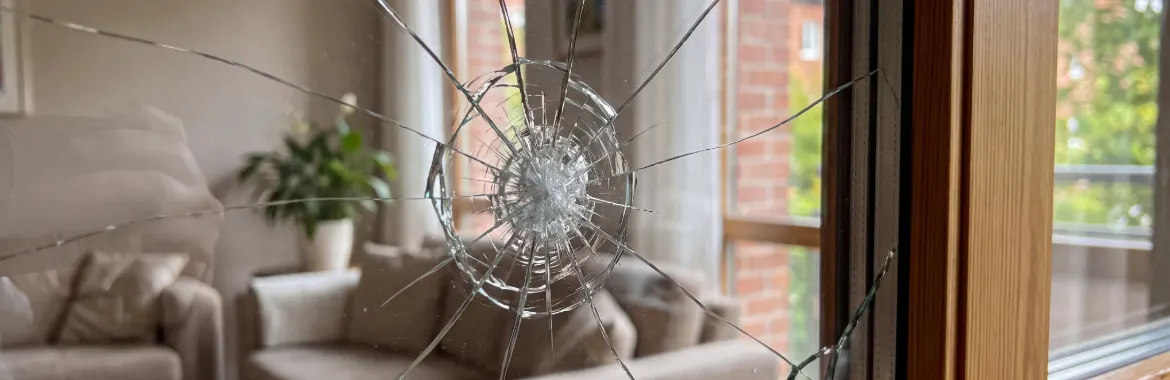
A flooring installer was fitting timber flooring at a client’s property when small pieces of timber were thrown upwards while jackhammering part of the surface. The debris struck several walls inside the property and chipped a nearby glass window.
The owner of the property held the flooring installer responsible for the damage and sought compensation for the repairs, totalling $9,261.
The flooring installer’s insurance provider agreed that the damage was covered under the installer’s Public Liability insurance and agreed to pay the claim.
4. Damage to a client’s personal property
A hair and makeup artist was providing services to a client in the client’s home on their wedding day. However, while the artist was sharpening a lip pencil, some pencil shavings fell onto the client’s rug and caused a deep stain that could not be removed.
The client wanted the makeup artist to pay for the cost of replacing the damaged rug, which cost $1,247.
The makeup artist held Public Liability and contacted her insurance company. After reviewing the circumstances, the insurer accepted the claim under the Public Liability policy and covered the replacement cost.
What to look for in Public Liability cover
Public Liability insurance policies can vary significantly between insurers, industries, and business types. Before purchasing cover, it’s important to understand what activities are included, what exclusions apply, and whether the policy reflects the actual work your business performs.
Businesses should also consider the level of cover they may need based on where they operate, the type of clients they work with, and the potential cost of third-party injury or property damage claims. Reviewing policy details carefully can help businesses better understand how the cover may respond if an incident occurs.
Policy limits and exclusions
Public Liability policies include coverage limits, exclusions, and conditions that may affect how a claim is assessed. For example, some policies may exclude certain activities, tools, locations, or types of work. In some cases, sub-limits may also apply to specific claim types, legal costs, or property damage incidents.
Occupation-specific cover considerations
Insurers assess occupations differently based on the type of work performed and the level of risk involved. A café owner, cleaner, consultant, and electrician may all face different liability exposures. Because of this, available cover, premiums, exclusions, and policy conditions can vary between industries and occupations.
Understanding what activities are declared
When applying for Public Liability insurance, businesses should accurately declare all business activities and services they provide. If important activities are omitted or incorrectly described, it may affect how a claim is assessed or whether certain work falls within the policy terms.
Why reviewing the policy wording matters
Policy wording explains what the insurer may cover, along with exclusions, limits, and conditions that apply. Reading the Product Disclosure Statement (PDS) and policy wording carefully can help businesses understand how the cover works and whether it suits their business activities.
Do you need to purchase or review Public Liability insurance?
As a small business owner – no matter what your trade or the industry you work in – you likely don’t have a lot of time in your day to think about your insurance needs. But understanding your risks and taking the time to consider your insurance options may help to save you time, money and stress in the long run. If you’d like to talk things over with an industry professional, give the friendly team at BizCover a call on 1300 249 268. Otherwise, you can get a quick and easy quote here
This information is general only and does not take into account your objectives, financial situation or needs. It should not be relied upon as advice. As with any insurance, cover will be subject to the terms, conditions and exclusions contained in the policy wording or Product Disclosure Statement (available on our website). Please consider whether the advice is suitable for you before proceeding with any purchase. Target Market Determination document is also available (as applicable). © 2026 BizCover Pty Limited, all rights reserved. ABN 68 127 707 975; AFSL 501769.