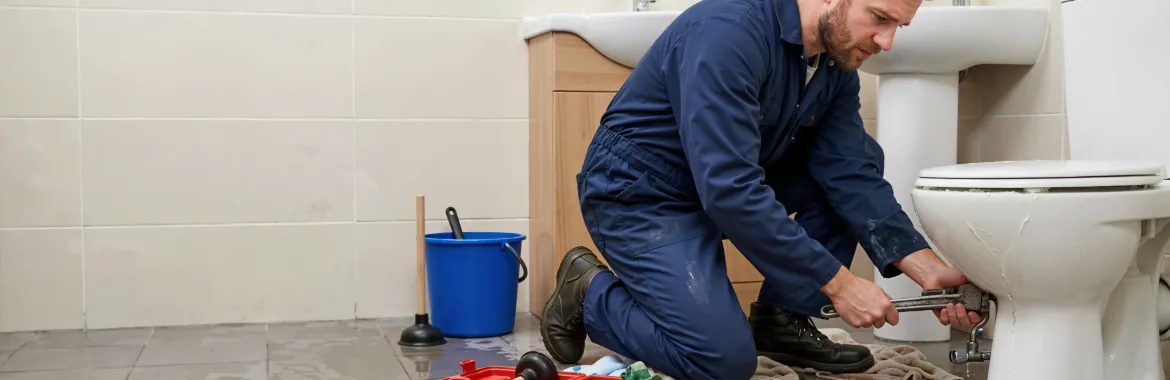
Are Tradies and Contractors Liable for Damages? What You Need to Know
Summary
- Tradies and contractors can be held responsible for property damage or financial loss if their work is carried out negligently or breaches contractual obligations.
- Common causes of claims include accidental property damage, poor workmanship, workplace incidents, and failure to exercise due care and skill.
- Good communication, safe work practices, quality control, and clear contracts can help reduce the risk of disputes.
- Public Liability insurance can form an important part of a broader risk management strategy for trades businesses.
Tradie work often involves entering client properties, using specialised equipment, and completing projects that clients rely on.
Most jobs are completed without issue. However, accidents, misunderstandings, or mistakes can happen. And when they do, questions about liability may follow.
This guide explains when tradies and contractors may be liable for damages, the common risks they face, and practical steps to help reduce those risks.
When can tradies and contractors be liable for damages?
Tradies and contractors have a legal responsibility to perform their work with due care and skill. If property is damaged, work is carried out negligently, or contractual obligations are not met, a client may seek compensation for the loss they have suffered.
According to NSW Fair Trading, businesses are generally required to perform services with due care and skill. Where property is damaged because of business negligence or there is a breach of contract, consumers may be entitled to compensation for their loss.
How can tradespeople and contractors cause damage?
Working on residential, commercial, or industrial sites creates a range of potential risks.
1. Accidental property damage
Even experienced tradespeople can accidentally damage a client’s property. Examples include:
- breaking windows or fixtures
- damaging flooring during renovations
- drilling into hidden pipes or electrical wiring
- damaging landscaping or driveways with machinery
2. Poor workmanship
Clients may allege that work was not completed to an appropriate standard or failed to meet contractual specifications. Disputes can arise over defective workmanship, incomplete work, or projects that require costly rectification.
3. Workplace incidents
Construction sites and client premises often contain hazards such as power tools, ladders, heavy materials, and excavation equipment. If a member of the public is injured because of business activities, the contractor may face a third-party claim.
4. Damage caused by subcontractors
Builders and contractors often work alongside subcontractors and other trades. Where multiple parties are involved, determining responsibility for damage can become more complex and may depend on contractual arrangements.
How tradies can help protect themselves
While every project involves some level of risk, good planning and safe work practices can reduce the likelihood of incidents.
1. Handle property with care
Protect existing structures, furniture, fixtures, and landscaping before work begins. Taking reasonable precautions can reduce accidental damage and demonstrate professional care.
2. Stay alert on-site
Regularly inspect the worksite for hazards and identify potential risks before starting work. Checking underground services, isolating utilities, and maintaining tidy work areas can reduce preventable accidents.
3. Follow workplace health and safety procedures
Following workplace health and safety requirements helps protect workers, clients, and members of the public. Using appropriate personal protective equipment, maintaining equipment, and following safe work procedures all contribute to better risk management.
4. Communicate clearly with clients
Many disputes arise from misunderstandings rather than poor workmanship. Providing written quotes, confirming variations, documenting approvals, and communicating delays early can help manage expectations and reduce disagreements.
5. Keep good records
Photographs, contracts, invoices, inspection reports, and written communication can all help document what was agreed and what work was completed. Detailed records can be valuable if a dispute arises later.
What should you do if you’re sued for damages?
Receiving a letter of demand or legal claim can be stressful, but responding promptly is important. If a claim is made against your business, you should:
Inform your insurer: If you hold business insurance that may respond to the claim, notify your insurer as soon as possible and follow the claims process outlined in your policy.
Keep records: Retain contracts, photographs, invoices, emails, site notes, and any other documents relevant to the project. These records may assist when responding to the claim.
Avoid admitting liability: Before the matter has been investigated, avoid admitting fault or agreeing to compensation without appropriate advice.
Cooperate with the claims process: Provide requested information promptly and maintain communication with your insurer or legal representatives throughout the process.
Consider business insurance tailored for tradies
Even when contractors take reasonable care, accidents and claims can still occur.
Public Liability insurance is commonly considered by tradies and contractors because it can help protect against claims involving third-party injury or property damage arising from business activities, subject to the policy’s terms, conditions, limits, and exclusions.
Depending on the type of work performed, some businesses may also consider other forms of business insurance as part of their overall risk management strategy, such as Management Liability insurance, Professional Indemnity insurance and Personal Accident & Illness insurance.
Protect your trades business with confidence
Compare quotes from some of Australia’s leading insurers with BizCover and explore cover options tailored to your trade or contracting business. It’s a fast and easy way to compare your options, all in one place.
This information is general only and does not take into account your objectives, financial situation or needs. It should not be relied upon as advice. As with any insurance, cover will be subject to the terms, conditions and exclusions contained in the policy wording or Product Disclosure Statement (available on our website). Please consider whether the advice is suitable for you before proceeding with any purchase. Target Market Determination document is also available (as applicable). © 2026 BizCover Pty Limited, all rights reserved. ABN 68 127 707 975; AFSL 501769.