


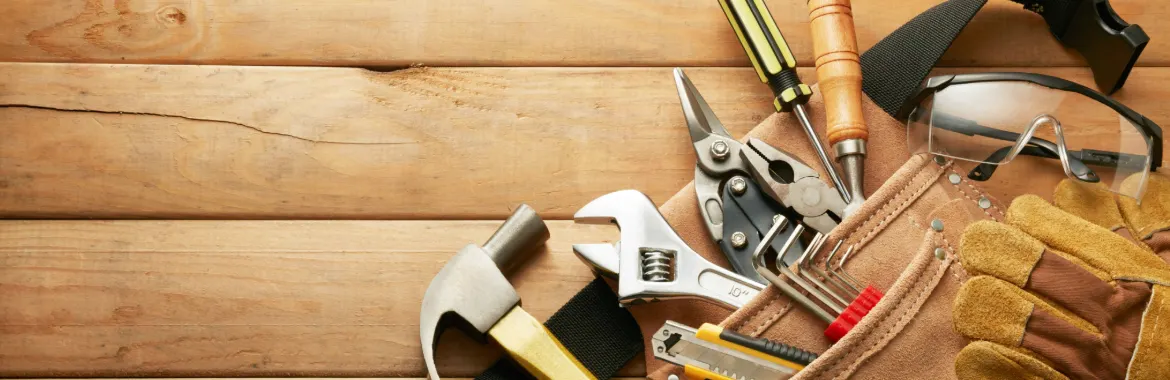
The complete guide to tool insurance for tradies
What would happen if your essential tools of trade were lost, stolen or damaged? How would this impact your ability to work?
A tradie is only as good as their tools—and broken or missing equipment could cost you time and money. Tools are essential for tradies, enabling them to complete jobs efficiently and professionally. Replacing tools can cost thousands of dollars, especially if the bill is unexpected and unbudgeted for. Beyond the immediate expense, missed project deadlines due to broken or stolen equipment can damage your reputation and income. That’s why insurance for tools of trade is considered essential to many busy tradies.
Read on to learn more about protecting your tools and equipment with tool insurance and tips for finding cover that fits your needs.
What is tool insurance?
Portable Equipment insurance—sometimes called tool insurance or General Property insurance—provides cover for loss and damage to items of portable equipment associated with a business. These can include tools of trade (such as power tools, landscaping equipment, and portable tools) as well as stock. It’s an optional cover available through a Business Insurance Package.
A Portable Equipment policy covers many everyday incidents that can impact a tradie’s tools, such as:
- Fire or storm damage and other weather-related events
- Explosion or impact damage
- Damage caused by a collision or overturning of the conveying vehicle
- Accidental or malicious damage
- Theft of equipment that is securely attached to a vehicle.
If your tools or equipment break or go missing, their repair or replacement could be expensive. The cost to replace or repair professional-grade equipment might even break your budget. Portable Equipment insurance could help reimburse you for repairs or new tools, so you’re not left entirely out of pocket. Many policies also extend to cover employees’ and apprentices’ tools, protecting your whole team’s equipment.
Common tool insurance myths
Not yet convinced that Portable Equipment insurance is right for your small business? Here are three common misconceptions that many tradies have about this type of cover:
My home contents or car insurance will cover it
You may be surprised to find that your home contents and car insurance policies don’t cover your business tools and equipment. Some home contents and car policies do not cover business items. If they do cover these items, they may limit the amount of cover for business tools and equipment, leaving tradies without adequate cover.
You might want to carefully review your home contents and car insurance policy wordings to see what applies to you. Portable Equipment insurance could provide critical cover that these policies may lack, and higher cover limits to match the actual value of repair or replacement costs.
My tools are always locked up
If a criminal really wants to take your tools, they can probably find a way to do so. Tradie tools are high-risk targets due to their value and portability. Locking up your vehicle on-site (whether you’re just taking your lunch break or leave the ute there overnight) doesn’t guarantee that your equipment will still be there when you get back, especially at an unprotected job site.
Think of Portable Equipment insurance as a plan B should thieves take your tools and equipment despite your best efforts. In fact, you’re already doing the right thing by always locking up your tools when you’re not using them. Most Portable Equipment policies only cover thefts that happen after a forcible or violent entry or if the equipment was securely attached to a vehicle before it was stolen.
It’s too expensive
Adding another insurance policy to your expenses might be the last thing you want to do. But taking up Portable Equipment cover may be more affordable than you think.
Portable Equipment is an optional part of a Business Insurance Package, an insurance bundle that combines up to 15 popular types of cover with BizCover. These packages offer an affordable and convenient way to obtain the necessary cover for a trades license or worksite access (Public Liability), while also protecting your business assets, such as tools and equipment.
3 Tips for finding tool cover
Ready to protect your tools of trade with Portable Equipment insurance? Here are three tips to help you find cover that fits your business needs and budget.
- Consider how much cover you need and the value of each tool: Like any insurance policy, your Portable Equipment policy will have cover limits (the most you can be paid for a successful claim). Choosing an appropriate amount of cover helps ensure that your tools are fully covered. And remember, inflation might mean it’s more expensive to replace tools now than when you bought them.
- Check what is (and isn’t) covered: Portable Equipment policies typically have exclusions—events, conditions, and types of losses that are not covered by the policy. Reviewing policy wordings can help you understand when you are and are not covered. Each insurer may have its own set of exclusions, meaning some policies may fit your needs better than others.
- Compare multiple quotes: Looking for insurance savings? Comparing multiple quotes from different insurers could help you find cover that fits your needs at a price that fits your budget.
Protect your tools of trade
Portable Equipment insurance can help tradies manage the cost of repairing or replacing their valuable tools and equipment. And with BizCover, busy builders can compare quotes and buy tool cover online in minutes.
This information is general only and does not take into account your objectives, financial situation or needs. It should not be relied upon as advice. As with any insurance, cover will be subject to the terms, conditions and exclusions contained in the policy wording or Product Disclosure Statement (available on our website). Please consider whether the advice is suitable for you before proceeding with any purchase. Target Market Determination document is also available (as applicable). © 2026 BizCover Pty Limited, all rights reserved. ABN 68 127 707 975; AFSL 501769.