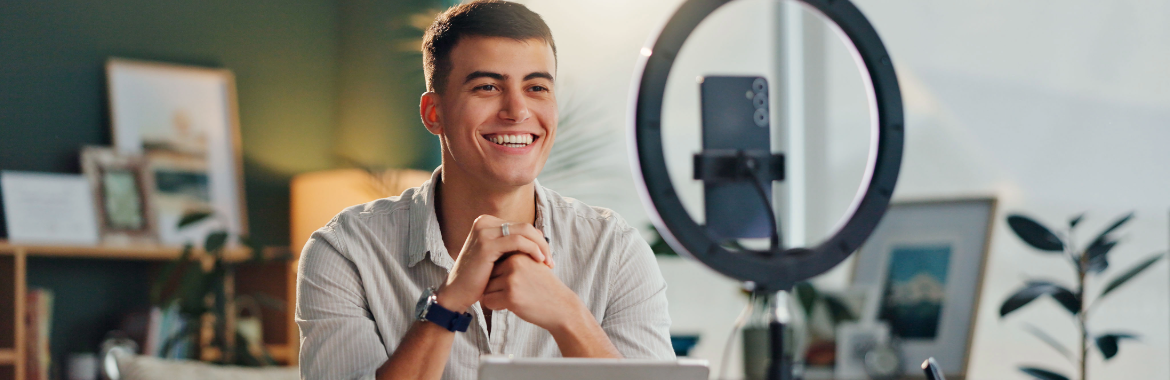
Do content creators and influencers need insurance in Australia?
Key takeaways:
- Content creators can face professional, physical and digital risks through the content they publish, brand partnerships, shoots, events and online accounts.
- Australian Consumer Law applies to commercial content on social media, meaning creators have responsibilities around advertising claims and sponsored content.
- Home and contents insurance is generally designed for personal use and may not adequately cover commercial activities, business equipment or professional liability.
- Professional Indemnity, Public Liability and Cyber Liability insurance can address different creator business risks, subject to policy terms, conditions and exclusions.
Content creators now play a meaningful role in what Australians discover and buy. IAB Australia’s 2026 Creator Connect research found that six in ten Australian shoppers encounter creator content on their path to purchase, rising to more than eight in ten among shoppers under 40.
With that influence comes business risk.
A sponsored post could lead to allegations of misleading advertising. Someone could claim something you’ve published damaged their reputation. A person could be injured during a shoot. Your business email could be compromised, or your accounts could be hacked.
There’s no blanket rule that states every creator must have business insurance. However, if you earn money from creating content, business insurance can help protect against some of the professional, physical and digital risks that come with the work.
Why might a content creator need business insurance?
Being a content creator creates an unusual mix of business exposures.
Your content is part of what you sell. Your reputation can influence your income. Your online accounts connect you with your audience. Your equipment allows you to produce your work. And brand partnerships can bring contracts and commercial responsibilities into the mix.
“Content creators can face a unique combination of risks because so much of their business is tied to what they publish and how they work online. Insurance can form part of how creators manage those risks and protect what they’ve built,” says Daniel Quinn, Head of Customer Acquisitions at BizCover.
What you say and publish can create liability
Australian Consumer Law applies to advertising on social media. The ACCC says claims made through social media must be truthful, accurate and able to be substantiated.
In 2023, the ACCC reviewed 118 influencers across platforms including Instagram, TikTok, Snapchat, YouTube, Facebook and Twitch. The sweep identified concerns about influencers failing to clearly disclose advertising relationships, including posts involving payments, gifts and other incentives.
Advertising disclosure isn’t the only potential issue. Depending on the content and services you provide, you could also face allegations involving inaccurate professional information, intellectual property, contractual work or statements another person claims caused them financial or reputational harm.
Brand partnerships come with commercial responsibilities
Getting your first paid collaboration is exciting. It also changes the relationship between you and the brand.
Campaigns can involve briefs, deadlines, approved messaging, content usage rights, disclosure requirements and other contractual obligations. If either party believes those commitments haven’t been met, a disagreement may follow.
Shoots and events create offline risks too
Creators attend launches, film at venues, collaborate with other people, travel for campaigns and shoot content on client premises.
Imagine you’re filming at a restaurant and accidentally damage an expensive piece of equipment. Or someone visiting your home studio trips over a lighting cable and is injured.
Digital-first work creates cyber risks
Content creation often depends on digital platforms, accounts and data, which creates exposure to cybercrime and technology-related disruption.
Creators may use social media accounts to publish sponsored work and communicate with audiences, business email to negotiate with brands, cloud storage to hold unreleased content, and websites or online platforms to process sales and subscriptions. A cyber incident affecting any of these systems can interrupt normal business activities.
Common risks include phishing, stolen login credentials, social media account takeover, compromised business email and unauthorised access to information. Creators who collect subscriber, customer or client information may also face data breach risks if that information is accessed or disclosed without authorisation.
Australian businesses are already experiencing these risks at scale. In FY2024–25, the Australian Signals Directorate’s Australian Cyber Security Centre received more than 84,700 cybercrime reports—around one every six minutes. The average self-reported cost of cybercrime for small businesses was approximately $56,600 per report.
What types of insurance can help protect content creators?
Content creators may consider different types of business insurance to help manage professional, public liability and cyber risks. The cover available will depend on the insurer, the creator’s business activities and the terms, conditions, limits and exclusions of the policy.
Professional Indemnity insurance
Professional Indemnity insurance provides protection against losses claimed by a third party due to alleged or actual negligence in your professional services or advice.
For content creators, this could be relevant where professional content or services lead to allegations of financial loss or other covered liability.
Public Liability insurance
Public Liability insurance provides protection if a third party claims they suffered personal injury or property damage as a result of your negligent business activities.
For a content creator, this type of exposure could arise while filming at a venue, attending an event, working at a client’s premises or hosting people at a location used for business activities.
Cyber Liability insurance
Cyber Liability insurance covers losses from claims arising from data breaches, business interruption and remediation costs following an actual or threatened cyberattack or data breach.
This can be relevant to businesses that rely on digital platforms, email, websites, cloud services or electronically stored information.
Does home insurance cover content creators?
Home insurance may provide some protection for people who work from home, but it should not be assumed to cover all risks associated with running a content creation business.
Home insurance is primarily designed to protect a residential property and personal belongings. Building insurance generally covers the physical home against specified insured events, while home contents insurance generally covers household possessions against specified loss or damage. Some home policies also include personal liability cover.
Content creation introduces commercial exposures that may sit outside, or be subject to different limits under, a personal home insurance policy.
Creators may own cameras, lenses, computers, microphones, lighting and editing equipment that are used primarily or partly for business purposes. Home insurers can apply different conditions, limits or exclusions to business equipment, particularly when it is used commercially or taken away from the insured property.
If another creator, photographer or brand representative visits your home for a shoot and is injured, that’s connected with a business activity. If someone alleges that content you’ve created caused them a financial loss, that’s a professional exposure. And if your business email or social account is compromised, that’s a cyber exposure.
Taking your equipment away from home can raise another question. Cameras, laptops and production gear used at events, client locations or while travelling may be subject to different conditions or limits under a home policy.
Is an influencer considered a small business by the ATO?
Potentially.
The Australian Taxation Office considers several indicators when deciding whether an activity is a business rather than a hobby. These include whether you intend to make a profit, whether your activities are repeated and continuous, and whether you operate in a planned and business-like way.
The ATO even provides an example involving a video creator who develops a production schedule, buys lighting and sound equipment, promotes their channel, monetises their content and keeps records. Taken together, those activities indicate that the creator is running a business.
Creator income can also take many forms. Brand payments, platform revenue, subscriptions, affiliate commissions, appearance fees and certain products received in exchange for promotion may have tax implications.
This doesn’t mean one gifted product suddenly makes you a small business. But if you’re regularly earning money or other benefits from creating content, it’s worth understanding your tax and business obligations.
What should content creators consider before choosing insurance?
Start with how your creator business actually operates.
Think about the content you publish and what could happen if someone challenged it. Consider where you film and whether you work around other people or their property. Look at how much of your income depends on social accounts, email and other digital systems. And check whether brand, agency or venue contracts contain insurance requirements.
Understanding those exposures gives you a much better starting point for comparing cover than simply asking, “What insurance do influencers buy?”
Protect the business behind your content
Creating content is stressful enough. Comparing business insurance doesn’t have to.
Compare quotes from some of Australia’s leading insurers with BizCover and explore cover options tailored to your content creation business. It’s a fast and easy way to compare your options, all in one place.
This information is general only and does not take into account your objectives, financial situation or needs. It should not be relied upon as advice. As with any insurance, cover will be subject to the terms, conditions and exclusions contained in the policy wording or Product Disclosure Statement (available on our website). Please consider whether the advice is suitable for you before proceeding with any purchase. Target Market Determination document is also available (as applicable). © 2026 BizCover Pty Limited, all rights reserved. ABN 68 127 707 975; AFSL 501769.