Cybersecurity in retail: Protecting your systems and business
Retail businesses handle customer data, payment information, sales systems and inventory records every day. This makes the retail sector a consistent target for cyber threats. As more transactions move online and more stores rely on digital tools, strong cybersecurity has become essential for business continuity and customer trust. Small retailers often believe they are less likely to be targeted, yet the pattern across Australia shows a different story. Cyber criminals look for businesses with lighter security and predictable routines, which puts many small retailers at risk.
Why is cybersecurity important for retail businesses
Retailers are exposed to different types of cyber threats because of the information they hold and the systems they depend on. Point-of-sale devices, online checkout systems, inventory tools and customer loyalty platforms all rely on stable and secure technology. If these systems are compromised, the impact can be immediate. The Australian Signals Directorate’s Annual Cyber Threat Report 2023 to 2024 recorded more than 84,700 cyber crime reports, equal to one incident every six minutes.
Cyber incidents may disrupt trading, expose customer data or interfere with payment systems. These problems can harm reputation, slow cash flow and increase recovery costs.
Common cyber risks in the retail sector
1. Point-of-sale attacks
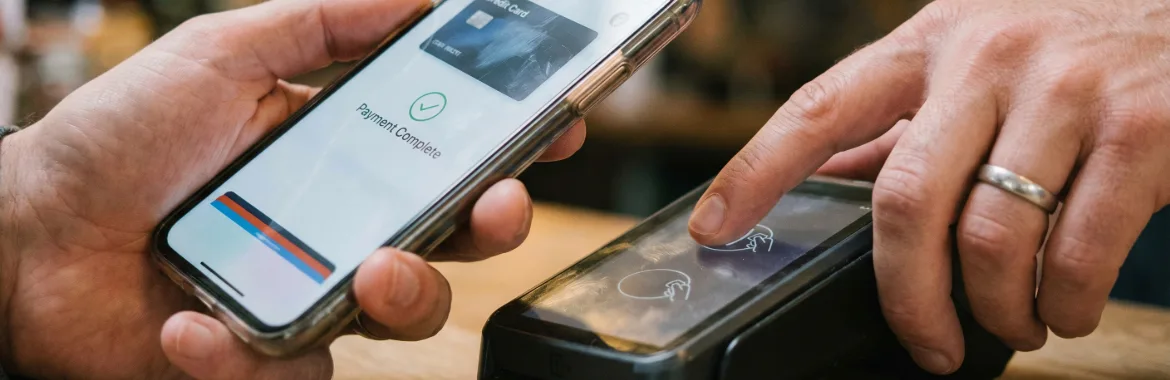
Payment systems are an attractive target because they process sensitive financial information. Criminals may attempt to intercept card data or compromise terminals.
2. Online store vulnerabilities
Retailers with e-commerce sites face risks such as credential theft, fake checkout pages, malware injections and unauthorised access to customer accounts.
3. Data breaches
Customer names, emails, addresses and payment details can be accessed if systems are not configured securely. Even small breaches may require customer notifications under the Privacy Act 1988.
4. Phishing and email scams
Retail staff often manage supplier emails, invoices and customer inquiries. Cyber criminals use phishing emails to gain access to systems or request fraudulent payments.
5. Ransomware
Ransomware can lock important files or shut down business operations. Retail businesses are attractive targets because downtime immediately affects trading.
6. Social engineering
Fraudulent refund requests, impersonation attempts and supplier scams commonly target retail stores where daily transactions move quickly.
How cybersecurity breaches affect retail operations
A breach can affect multiple parts of a retail business at once.
• Point-of-sale devices may stop working.
• Online orders may fail to process.
• Customer information may be exposed.
• Inventory systems may lose accuracy.
• Staff productivity may drop.
• Compliance or reporting obligations may apply depending on the nature of the breach.
When these issues occur, small retailers often need external support to restore systems, notify customers and assess financial impact.
Practical cybersecurity steps for retail businesses
Retailers can improve their security posture with a few simple measures. The Essential Eight Maturity Model provides guidance on core security steps suitable for small businesses.
• Enable multi factor authentication.
• Keep devices and software updated.
• Use secure payment systems verified by reputable providers.
• Train staff to recognise suspicious emails or refund scams.
• Store backups separately from daily systems.
• Limit access to sensitive information.
• Regularly review password controls.
• Monitor point-of-sale devices for unusual activity.
Cyber insurance as part of your protection strategy
Cyber insurance may help retailers recover from a cyber incident. It cannot prevent an attack, but it may assist with costs related to system restoration, customer notifications, data recovery and business interruption.
Why small retailers face higher exposure
Smaller retailers often operate with limited staff, tight margins and busy trading environments. This creates challenges such as:
• Less time for security checks.
• Limited internal IT support.
• Heavy reliance on cloud based or third party systems.
• High customer turnover.
• Frequent staff changes.
These pressures make small retail businesses attractive targets for cyber criminals who look for simple vulnerabilities.
Building long term resilience
Security is not a once-off task. Review your systems regularly, train new staff early and stay aware of emerging threats. Consider annual reviews of your insurance and risk processes to ensure they still match the way your retail business operates. Improving cybersecurity is not only about reducing risk. It also supports customer trust and helps keep your business running smoothly.
This information is general only and does not take into account your objectives, financial situation or needs. It should not be relied upon as advice. As with any insurance, cover will be subject to the terms, conditions and exclusions contained in the policy wording or Product Disclosure Statement (available on our website). Please consider whether the advice is suitable for you before proceeding with any purchase. Target Market Determination document is also available (as applicable). © 2026 BizCover Pty Limited, all rights reserved. ABN 68 127 707 975; AFSL 501769.