Hiring Out Mobile Plant and Equipment? Here’s What You Need to Know
Mobile plant and equipment hire is the practice of renting machinery or equipment for a set period, usually for a specific job, project or seasonal need.
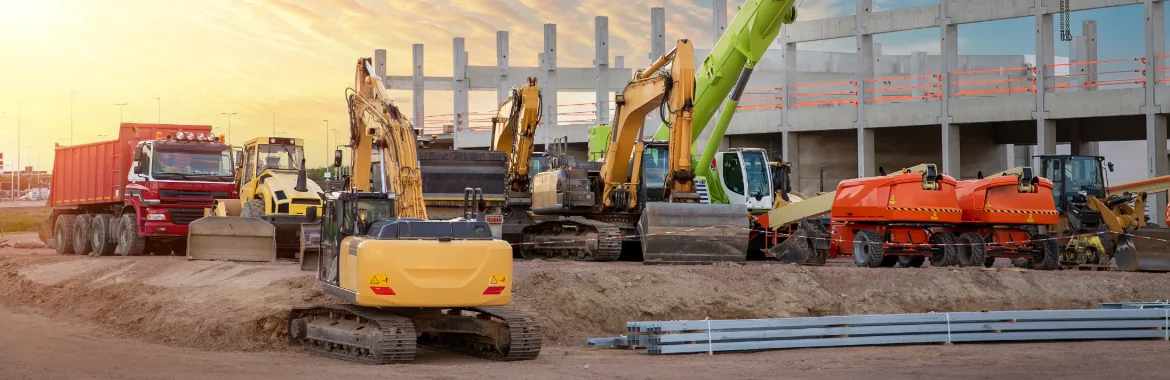
- Mobile plant: Mobile machines like excavators, skid steers, graders, rollers, bulldozers, cranes, loaders and forklifts.
- Plant and equipment: A common phrase that distinguishes large machinery (plant) from smaller tools and equipment.
Why do businesses hire plant and equipment?
Businesses often hire plant and equipment because it gives them access to specialised equipment without having to buy it outright. It can help when demand spikes, a project needs a different machine for a short period, or existing equipment is offline and downtime would slow everything down.
Why should you consider hiring out plant and equipment as a service?
Hiring out plant that is not used regularly can create an additional income stream for a business. Instead of sitting idle, the equipment can keep earning which helps make better use of assets the business already owns. It can also be a practical way to improve returns between projects, provided the hire arrangement is clear and the risks are properly managed.
If you decide to hire out plant, the next step is to define how the arrangement will work and who will be responsible for what.
Decide how your hire business will operate
Before you hire out your first piece of plant, decide how you want your hire business to operate. The decisions you make now will shape your hire agreements, insurance arrangements and day-to-day operations.
Choose your hire model
One of the first decisions is whether you’ll offer wet hire, dry hire, or both.
Wet hire means the equipment comes with an operator, so the supplier usually retains more control over how the machine is used and maintained.
Dry hire means you hire the equipment only, and your team is responsible for operating it, looking after it and returning it in the agreed condition.
That difference matters because risk, supervision and maintenance responsibilities often shift depending on the hire type.
Define how the hire will work
Next, decide exactly how your hire service will operate. Consider questions such as:
- What plant and equipment will you hire out?
- What types of work can it be used for?
- Are there geographic limits on where it can operate?
- How long can it be hired for?
- Will you arrange delivery and collection?
- Who will be responsible for routine maintenance during the hire period?
Thinking through these practical details before advertising your equipment will help you create consistent hire arrangements for every customer.
Decide who is responsible for what
Before the equipment leaves your yard, be clear about which responsibilities sit with you and which sit with the hirer.
Consider who will be responsible if the equipment is damaged, stolen or involved in an incident caused by operator error or mechanical breakdown. You should also think about project delays, site access, fuel, consumables and any other day-to-day operating costs.
These decisions become the basis of your hire agreement.
Put your hire arrangement into writing
Once you’ve decided how your hire business will operate, the next step is documenting those decisions in a written hire agreement.
A written hire agreement helps protect both the equipment owner and the hirer by clearly documenting each party’s rights and responsibilities. While verbal agreements may seem simpler, they can leave room for misunderstandings if expectations differ or something goes wrong during the hire period.
A professionally prepared hire agreement should clearly describe:
- The equipment being hired
- Whether it is wet hire or dry hire
- The hire period
- Pricing and payment terms
- Delivery and collection arrangements
- Return conditions
- Maintenance responsibilities
- Inspection procedures
- Operator obligations
- Insurance requirements
- What happens if either party fails to meet their obligations, such as late payments or failing to return the equipment on time.
Because every hire arrangement is different, consider engaging an experienced legal professional to draft or review your agreement before using it.
Why damage waivers deserve careful attention
Damage waivers are designed to clarify how responsibility for accidental damage may be shared between the equipment owner and the hirer. However, they do not necessarily remove liability in every situation and are often subject to conditions, exclusions or limits.
For example, damage resulting from misuse, negligence or unauthorised use may not be covered by a waiver. Before relying on a damage waiver, make sure its wording is consistent with the hire agreement and understand exactly what responsibilities remain with each party. If you’re unsure, seek independent legal advice before finalising the agreement.
Check your insurance arrangements
The responsibilities set out in a contract should be considered alongside your insurance arrangements. For example, the value of the equipment, whether you offer wet hire or dry hire, and any public liability exposures may all influence the types of insurance you consider and the level of cover you require. Review whether the responsibilities you’ve agreed to under the hire agreement are reflected in your insurance arrangements. And remember that insurance responsibilities often differ between wet hire and dry hire arrangements.
Understanding these responsibilities before the equipment leaves site can help reduce confusion if something goes wrong.
Ready to begin hiring out plant?
Hiring out mobile plant and equipment can be a practical way to generate additional income, but it also means taking on additional responsibilities.
Review your hire agreements regularly, understand your contractual responsibilities, and check that your insurance arrangements continue to reflect how your business operates as it grows and evolves.
Review your insurance options or compare business insurance quotes before you launch your new income stream.
This information is general only and does not take into account your objectives, financial situation or needs. It should not be relied upon as advice. As with any insurance, cover will be subject to the terms, conditions and exclusions contained in the policy wording or Product Disclosure Statement (available on our website). Please consider whether the advice is suitable for you before proceeding with any purchase. Target Market Determination document is also available (as applicable). © 2026 BizCover Pty Limited, all rights reserved. ABN 68 127 707 975; AFSL 501769.